Clear Glass or Low‑E Glass—What’s Actually in Your Windows?
Most homeowners don’t know which type of glass they have—or how much it can affect indoor comfort, heat gain, UV protection, and energy efficiency. Here’s how clear glass and Low‑E glass differ and how to determine which option may be right for your home.
How Can You Tell What Type of Glass You Have?
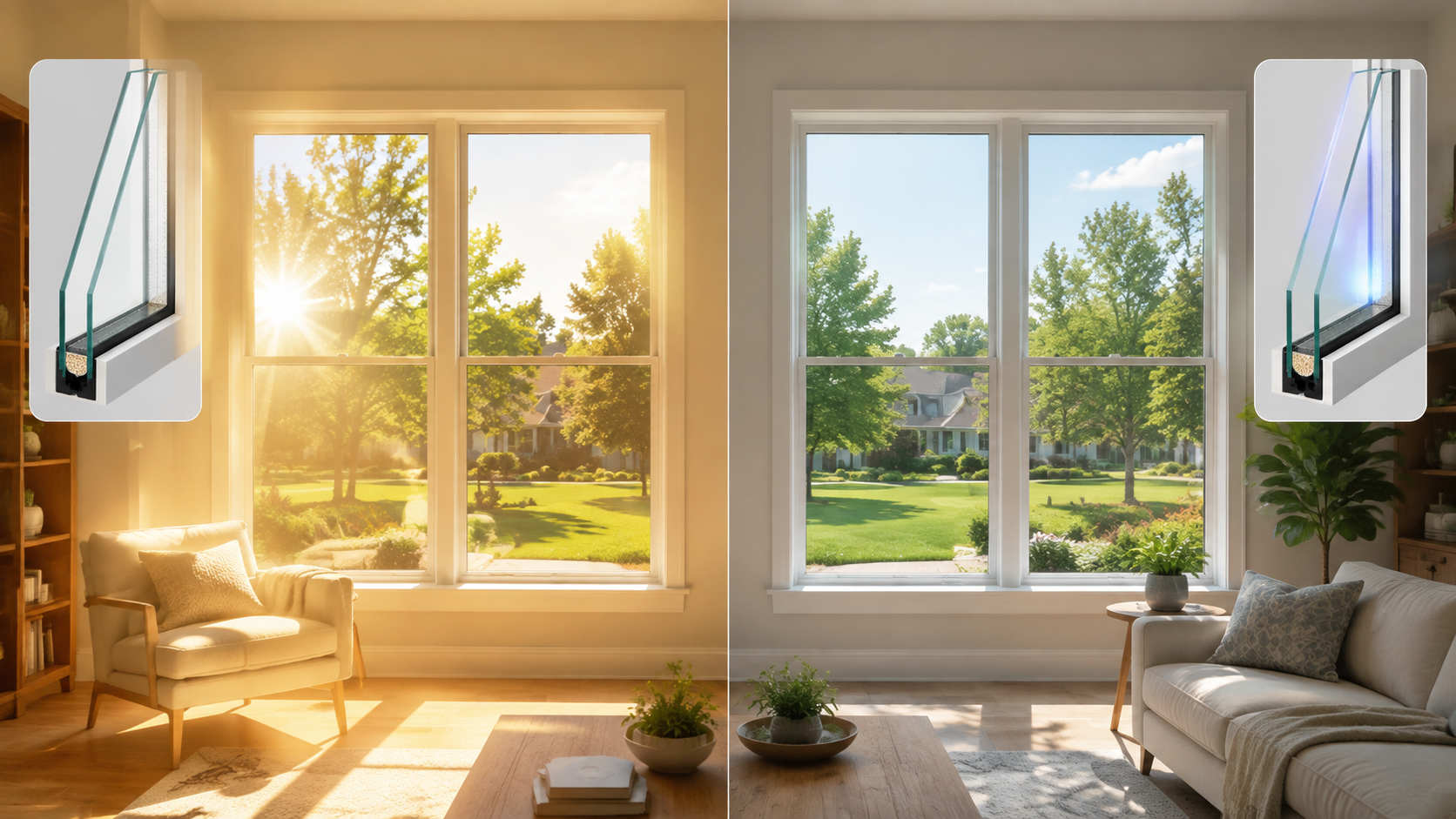
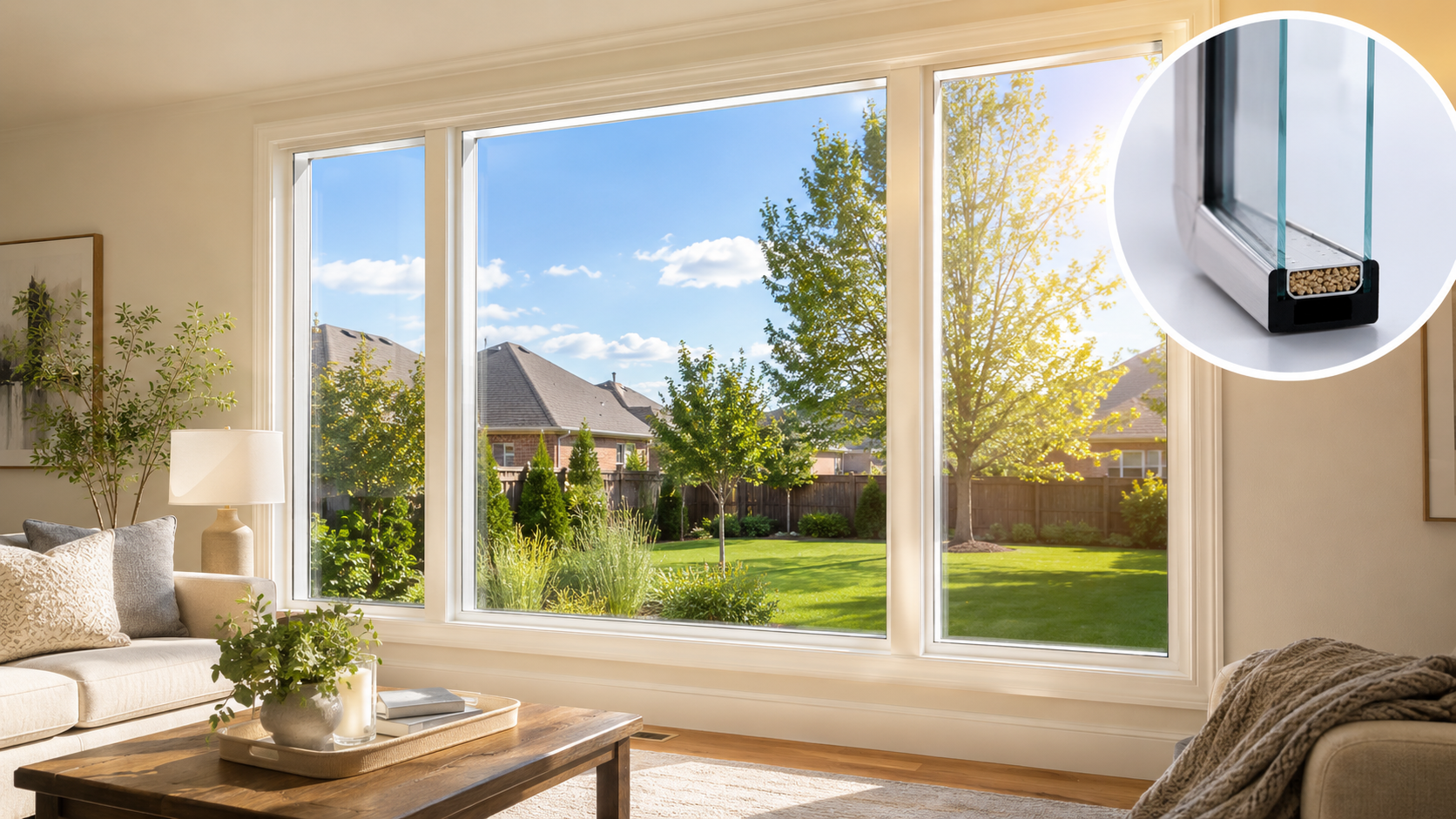
Clear glass and Low‑E glass can look very similar, so most homeowners cannot identify the difference simply by looking through the window. Clear double-pane glass consists of two panes separated by a sealed airspace. This design provides some insulation, but the glass itself does little to control solar heat or ultraviolet exposure.
Low‑E glass is also commonly made as a sealed double-pane unit, but one of the glass surfaces has a microscopically thin coating that helps manage how heat moves through the window. Depending on the coating, Low‑E glass can reduce solar heat gain, improve year-round insulation, and block significantly more UV energy than clear glass.
Why the Difference Matters in North Texas
Windows receive different amounts of sunlight depending on which direction they face, surrounding shade, roof overhangs, and the time of day. West- and south-facing windows can be especially challenging because they may allow intense afternoon heat into the home. The right Low‑E glass can help reduce hot spots near windows, protect furnishings from UV-related fading, and lessen the amount of heat your air-conditioning system must handle.
However, not every Low‑E product performs the same way. Some coatings prioritize natural light and a neutral appearance, while others are designed for stronger solar-heat control. Choosing the darkest-looking glass does not automatically mean you are choosing the best glass. The correct option depends on the window’s location, the amount of sun exposure, and your goals for comfort, appearance, and energy efficiency.
What If You Don’t Know What Is Currently Installed?
Start by checking the corners or edges of the glass for a manufacturer’s marking, product code, or spacer-bar information. These markings may help identify the glass, but they do not always provide enough information to confirm the exact coating. A glass professional can use specialized equipment to determine whether a Low‑E coating is present and identify which surface has been coated.
If a window is foggy, cloudy, or showing permanent discoloration between the panes, the insulated glass seal may have failed. That damage cannot be cleaned from the inside or outside. The sealed glass unit must be replaced—but the entire window may not need to be removed if its frame and operating components remain in good condition.
Choosing the Right Low‑E Glass
Cardinal LoĒ‑270, LoĒ³‑366, LoĒ³‑340, and LoĒ‑452 are designed for different combinations of natural light, solar-heat control, appearance, and UV protection. Understanding those differences will help you select the glass that fits your home instead of paying for a product based only on a sales pitch or unfamiliar product number.
Cardinal LoĒ²‑270: Natural Light with Moderate Heat Control
Cardinal LoĒ²‑270 is a double-silver Low‑E coating designed for homeowners who want improved energy efficiency without making their windows look noticeably dark. It provides a balanced combination of natural light, solar-heat reduction, insulation, and UV protection. Because of its relatively clear appearance, LoĒ²‑270 is often a good step up from standard clear insulated glass.
The microscopic coating is placed inside the sealed double-pane glass unit, where it is protected from cleaning, weather, and physical contact. The coating helps reflect infrared heat while still allowing a substantial amount of visible daylight into the home.
How Does LoĒ²‑270 Perform?
Based on Cardinal’s published center-of-glass figures for a typical double-pane configuration:
70% visible-light transmission: The glass allows plenty of daylight into the home and generally maintains a bright, natural view.
0.37 Solar Heat Gain Coefficient: Approximately 37% of the sun’s solar energy contributes to heat gain through the glass. That is a significant improvement over clear double-pane glass at 0.78.
14% UV transmission: LoĒ²‑270 blocks approximately 86% of ultraviolet energy, helping reduce UV-related fading of flooring, furniture, artwork, and fabrics.
0.30 center-of-glass U-factor with air: A lower U-factor means better resistance to heat transfer. Clear double-pane glass is approximately 0.48 under the same published comparison.
These figures are for the glass itself, not the entire window. Overall window performance will also depend on the frame, spacer system, glass dimensions, airspace, gas fill, installation, and other factors. Cardinal’s LoĒ²‑270 performance information
What Will LoĒ²‑270 Look Like?
LoĒ²‑270 has a relatively neutral appearance and allows more natural light through than Cardinal’s stronger solar-control products. It will not look exactly like clear glass, but the difference is typically subtle compared with darker Low‑E options.
This makes it appealing to homeowners who value:
Bright rooms and abundant natural light
A relatively clear, neutral view
Better performance than clear double-pane glass
Moderate rather than maximum solar-heat control
Increased protection against UV-related fading
Where Does LoĒ²‑270 Make the Most Sense?
LoĒ²‑270 can be a good choice for windows that receive moderate sunlight, are protected by shade or roof overhangs, or face directions where intense afternoon heat is less of a concern. It may work especially well on north- or east-facing windows and in rooms where maintaining natural light is a high priority.
However, this is not Cardinal’s strongest solar-control option. For unshaded west- or south-facing windows exposed to intense North Texas sunlight, LoĒ³‑366, LoĒ³‑340, or Quad LoĒ‑452 may offer better heat control. Using LoĒ²‑270 everywhere simply because it looks clearer can be a weak choice if the home has serious afternoon heat problems.
Is LoĒ²‑270 Right for Your Home?
Cardinal LoĒ²‑270 is a strong general-purpose upgrade from clear glass, but the correct choice depends on what you are trying to accomplish. If your priority is a bright, natural appearance with meaningful energy-efficiency improvements, LoĒ²‑270 may be an excellent option. If your main concern is maximum protection against intense Texas heat, one of Cardinal’s more advanced solar-control coatings may be the better investment.
Cardinal LoĒ³‑366: Strong Year-Round Performance for the Texas Climate
Cardinal LoĒ³‑366 is a triple-silver Low‑E coating designed to provide stronger solar-heat control than LoĒ²‑270 while still allowing a substantial amount of natural light into the home. It is one of Cardinal’s most versatile glass options and offers an effective balance of heat reduction, insulation, UV protection, and visibility.
The microscopic coating is sealed inside the double-pane glass unit, where it helps manage different parts of the sun’s energy. It allows much of the visible daylight to pass through while reflecting a larger portion of the infrared energy responsible for solar heat gain. It also blocks most ultraviolet energy associated with fading.
How Does LoĒ³‑366 Perform?
Based on Cardinal’s published center-of-glass figures for a typical double-pane configuration:
65% visible-light transmission: LoĒ³‑366 allows plenty of natural daylight into the home, although it will appear slightly darker than clear glass or LoĒ²‑270.
0.27 Solar Heat Gain Coefficient: Only about 27% of the sun’s solar energy contributes to heat gain through the glass. This provides considerably stronger solar control than clear glass at 0.78 or LoĒ²‑270 at 0.37.
5% UV transmission: LoĒ³‑366 blocks approximately 95% of ultraviolet energy, providing much better protection against UV-related fading of flooring, furniture, curtains, artwork, and other interior materials.
0.29 center-of-glass U-factor with air: This represents a major improvement in insulating performance compared with clear double-pane glass at approximately 0.48.
These are center-of-glass values, not ratings for the complete window. Frame construction, spacer material, airspace, gas fill, window size, installation, and other factors will affect the performance of the finished window. Cardinal’s LoĒ³‑366 product information
What Will LoĒ³‑366 Look Like?
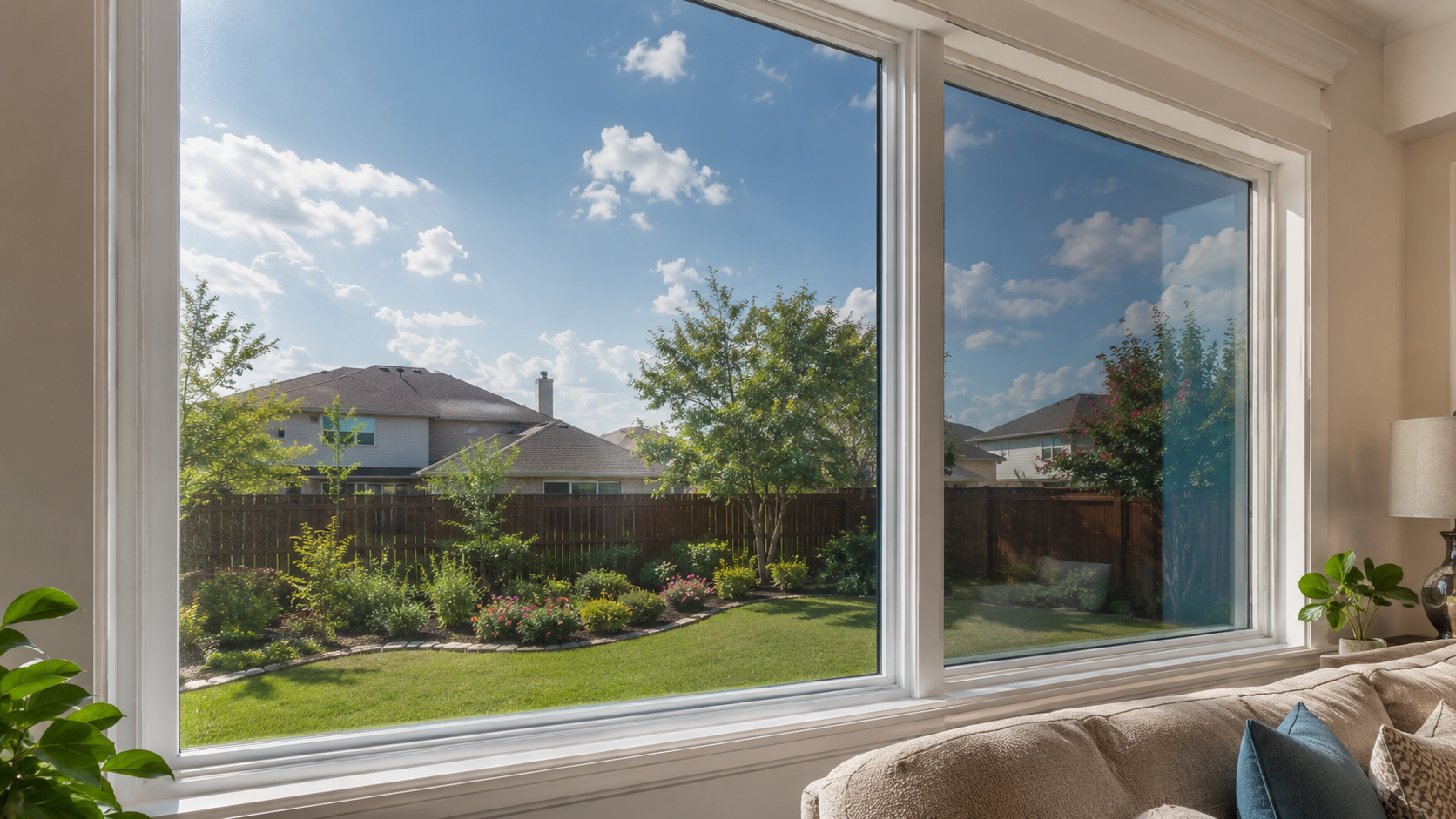
LoĒ³‑366 generally has a neutral appearance, but it is more noticeable than LoĒ²‑270 when compared directly with clear glass. Depending on the lighting, viewing angle, surrounding colors, and exterior conditions, homeowners may notice a slight tint or reflective quality.
This does not mean the glass is defective. Stronger Low‑E coatings control more solar energy, and that increased performance can create a visible difference. Homeowners replacing only some of their glass should understand that LoĒ³‑366 may not perfectly match nearby clear glass or older Low‑E products.
Where Does LoĒ³‑366 Make the Most Sense?
LoĒ³‑366 is a strong all-around choice for North Texas homes, particularly when homeowners want better heat control without moving to a substantially darker glass. It can work well for:
South- and west-facing windows exposed to considerable sunlight
Rooms that become noticeably warmer during the afternoon
Large windows or glass doors that allow substantial solar heat inside
Homes with fading floors, furniture, curtains, or artwork
Homeowners wanting stronger performance while retaining good natural light
Whole-home glass upgrades where balanced performance is the goal
Although LoĒ³‑366 performs well in many applications, it is not Cardinal’s most aggressive solar-control glass. Windows exposed to extreme, direct afternoon sunlight may benefit more from LoĒ³‑340 or Quad LoĒ‑452.
How Does LoĒ³‑366 Compare with LoĒ²‑270?
LoĒ²‑270 allows slightly more natural light and may have a somewhat clearer appearance. LoĒ³‑366 sacrifices only a modest amount of visible light while providing considerably better solar-heat and UV control. For many North Texas homes, that is a worthwhile tradeoff.
Is LoĒ³‑366 Right for Your Home?
Cardinal LoĒ³‑366 is often the best starting point for homeowners who want meaningful protection against Texas heat without making their home feel dark. It provides stronger solar control than LoĒ²‑270, excellent UV protection, and enough visible-light transmission to keep most rooms feeling bright.
However, calling one product “best” for every window would be misleading. LoĒ³‑366 may be more glass than a heavily shaded north-facing window needs, while it may not provide enough glare or solar control for a large, unshaded west-facing window. The best result may involve choosing different Low‑E coatings for different elevations of the home.
Cardinal LoĒ³‑340+: Maximum Heat and Glare Control
Cardinal LoĒ³‑340+ is a triple-silver Low‑E glass designed for intense sunlight and hot climates. It provides Cardinal’s strongest solar-heat and glare control among the options discussed on this page. This makes it particularly useful for large, unshaded windows that receive direct afternoon sun.
An important naming update: Cardinal has replaced the previous LoĒ³‑340 with LoĒ³‑340+. The newer version retains the same strong solar performance while offering improved visual clarity, a more refined neutral-gray appearance, and Cardinal’s Neat+ exterior coating.
How Does LoĒ³‑340+ Perform?
Based on Cardinal’s published center-of-glass figures for a typical double-pane configuration:
39% visible-light transmission: LoĒ³‑340+ significantly reduces the brightness entering through the glass. This helps control glare but makes it visibly darker than LoĒ²‑270, LoĒ³‑366, and Quad LoĒ‑452.
0.18 Solar Heat Gain Coefficient: Only about 18% of the sun’s solar energy contributes to heat gain through the glass. This is the lowest SHGC—and therefore the strongest solar-heat control—of the four Cardinal options covered on this page.
2% UV transmission: LoĒ³‑340+ blocks approximately 98% of ultraviolet energy, helping protect floors, furniture, artwork, curtains, and other interior materials from UV-related fading.
0.29 center-of-glass U-factor with air: It provides substantially better insulating performance than clear double-pane glass, which has a center-of-glass U-factor of approximately 0.48.
These figures apply to the glass itself, not the complete window. Frame construction, spacer system, airspace, gas fill, glass size, installation, and other factors will affect total window performance. Cardinal’s LoĒ³‑340+ product information
What Will LoĒ³‑340+ Look Like?
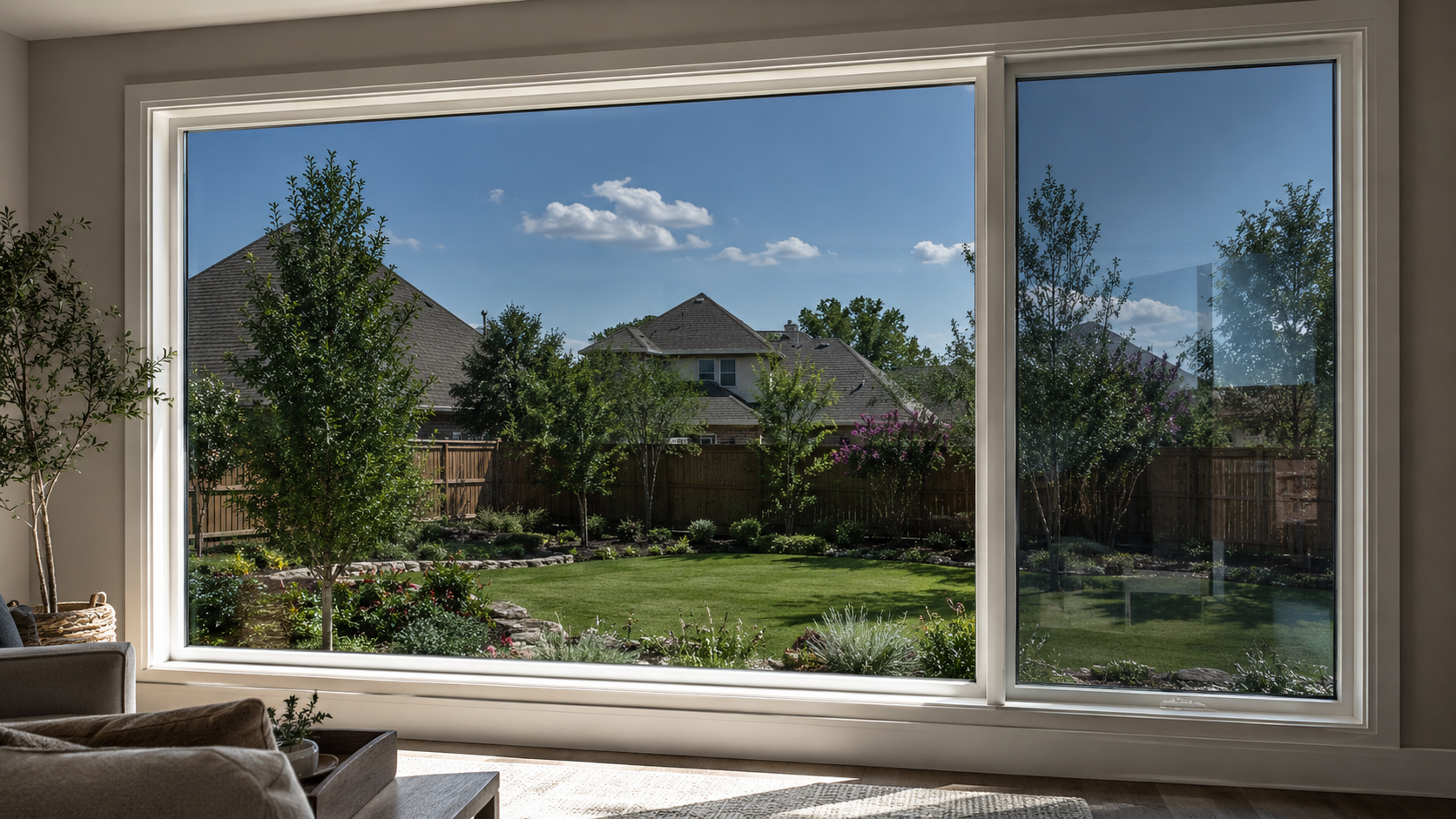
LoĒ³‑340+ has a soft, neutral-gray appearance and is noticeably darker than the other options discussed on this page. That darker appearance is intentional: reducing visible light is part of how the glass controls intense glare.
This can be an advantage in rooms where sunlight makes it difficult to watch television, work on a computer, or sit comfortably near the windows. However, homeowners who want the brightest possible rooms may find LoĒ³‑340+ too dark—particularly on shaded or north-facing windows.
It is important to see a glass sample before making a final decision. Marketing photographs and computer screens cannot accurately reproduce how the glass will look in every home or under changing light conditions.
Where Does LoĒ³‑340+ Make the Most Sense?
LoĒ³‑340+ is primarily intended for windows exposed to intense, direct sunlight. It may be an excellent choice for:
Large, unshaded west-facing windows
South-facing windows with limited roof overhangs
Rooms that become extremely hot during the afternoon
Windows producing uncomfortable glare on televisions or computer screens
High ceilings with large areas of glass
Homes with significant fading concerns
Rooms where heat and glare control are more important than maximum daylight
In North Texas, LoĒ³‑340+ can solve problems that a moderate Low‑E coating may not address. However, installing it throughout an entire home without considering window direction would be a poor recommendation. It may be ideal on the west elevation but unnecessarily dark on shaded north-facing windows.
How Does LoĒ³‑340+ Compare with LoĒ³‑366?
LoĒ³‑366 allows considerably more daylight and is generally the more balanced whole-home choice. LoĒ³‑340+ provides stronger solar-heat and glare control but reduces substantially more visible light.
What Is the Neat+ Coating?
Cardinal currently includes its Neat+ coating with LoĒ³‑340+. This exterior coating uses sunlight and water to help loosen and rinse away organic material from the outside surface of the glass. It can make routine cleaning easier, but it does not make the window completely maintenance-free. Mineral deposits, paint, construction debris, and other contaminants may still require cleaning.
Is LoĒ³‑340+ Right for Your Home?
LoĒ³‑340+ is a specialized glass for serious sunlight, heat, and glare problems. If a room becomes uncomfortably hot or nearly unusable during the afternoon, its 0.18 SHGC can provide a meaningful advantage over LoĒ²‑270 or LoĒ³‑366.
The tradeoff is straightforward: LoĒ³‑340+ delivers the strongest heat and glare control, but it also allows the least natural light. If you want powerful solar control with a brighter, more neutral view, Quad LoĒ‑452 may provide a better balance.
Cardinal Quad LoĒ‑452+: Powerful Heat Control with a Brighter, Neutral View
Cardinal Quad LoĒ‑452+ is an advanced four-silver Low‑E coating designed to combine strong solar-heat control with a brighter and more neutral appearance than LoĒ³‑340+. It is an attractive option for North Texas homeowners who want serious protection against heat and UV exposure but do not want the noticeably darker appearance associated with maximum glare-control glass.
LoĒ‑452+ occupies an important middle ground: it controls more solar heat than LoĒ³‑366 while allowing considerably more natural light than LoĒ³‑340+.
How Does Quad LoĒ‑452+ Perform?
Based on Cardinal’s published center-of-glass figures for a typical double-pane configuration:
52% visible-light transmission: LoĒ‑452+ allows more than half of the available visible light through the glass. It is not as bright as LoĒ²‑270 or LoĒ³‑366, but it is considerably brighter than LoĒ³‑340+ at 39%.
0.22 Solar Heat Gain Coefficient: Only about 22% of the sun’s solar energy contributes to heat gain through the glass. This provides stronger solar control than LoĒ³‑366 at 0.27, although LoĒ³‑340+ remains the strongest at 0.18.
1% UV transmission: LoĒ‑452+ blocks approximately 99% of ultraviolet energy—the strongest UV protection among the four products covered on this page.
0.29 center-of-glass U-factor with air: It provides substantially better insulating performance than clear double-pane glass at approximately 0.48.
These figures describe center-of-glass performance rather than the rating of a complete window. Glass dimensions, frame construction, spacer system, airspace, gas fill, installation, and other factors will affect overall window performance. Cardinal’s Quad LoĒ‑452+ product information
What Will Quad LoĒ‑452+ Look Like?
LoĒ‑452+ was designed to maintain a relatively neutral appearance when viewed from inside, outside, and at an angle. It provides stronger solar control than LoĒ³‑366 without relying on the more noticeable neutral-gray appearance of LoĒ³‑340+.
However, “neutral” does not mean identical to clear glass. LoĒ‑452+ transmits 52% of visible light compared with 82% for clear double-pane glass. A difference will be visible when the products are placed next to each other.
Homeowners replacing only some of their glass should understand that new LoĒ‑452+ units may not perfectly match existing clear glass, older Low‑E glass, or windows made by another manufacturer.
Where Does Quad LoĒ‑452+ Make the Most Sense?
Quad LoĒ‑452+ can be an excellent choice for:
West- and south-facing windows receiving direct Texas sunlight
Large windows where solar heat gain is a concern
Rooms that become hot but still need good natural light
Whole-home upgrades requiring strong solar control
Homeowners concerned about fading of flooring and furnishings
Homes where a darker glare-control appearance is undesirable
Windows where both energy performance and exterior appearance matter
LoĒ‑452+ may be especially useful when LoĒ³‑366 does not provide enough solar control but LoĒ³‑340+ would make the room darker than desired.
How Does LoĒ‑452+ Compare with LoĒ³‑340+?
LoĒ³‑340+ has the lower SHGC, making it the stronger choice for extreme solar heat and glare. LoĒ‑452+ allows approximately one-third more visible light than LoĒ³‑340+ while still providing excellent solar control.
How Does LoĒ‑452+ Compare with LoĒ³‑366?
LoĒ³‑366 provides more natural light and remains an excellent balanced option. LoĒ‑452+ sacrifices some brightness in exchange for stronger solar-heat control and substantially greater UV protection.
Is Quad LoĒ‑452+ Right for Your Home?
Quad LoĒ‑452+ may be the best choice for homeowners who want strong protection against North Texas heat without moving to the darker appearance of LoĒ³‑340+. It offers an impressive combination of a 0.22 SHGC, 52% visible-light transmission, and 99% UV blocking.
The honest tradeoff is that LoĒ‑452+ costs some natural light compared with LoĒ³‑366, and it does not control quite as much heat or glare as LoĒ³‑340+. Its strength is balance: powerful solar control, outstanding UV protection, and a brighter, more neutral appearance.